
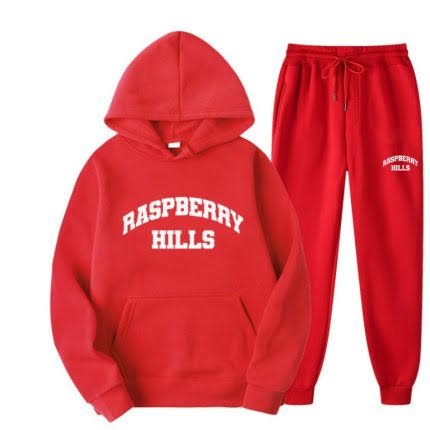
It takes a little work to keep your favourite sweatpants fresh. Too much washing can change the suppleness of the cloth and how it fits you in the first place. Some fibres can shrink or weaken at high temperatures. Heavy detergents may also affect the colour and texture of the surface. Taking care of Raspberry Hills means you should keep washing techniques basic. These practices preserve the shape and comfort for daily use. Always check the care label on the clothing before washing. Different materials need different temperatures and different ways of cleaning. Some materials can handle mild machine washing with no difficulties. Some use hand wash or shorter wash cycles. Turning sweatpants inside out can also protect the outside of the pants. This cuts down on the direct rub against other clothes when washing. Their texture may produce unwanted friction during the cycle. Gentle touch keeps the waistline and leg in shape. It can also help to minimise damage to seams and pocket openings. You don’t need pricey items for improved garment care. “Slow and steady habits are probably the most impactful over the long term. With the appropriate regimen, your sweatpants can remain comfy. Their original look can also be maintained with continuous use.
Use Suitable Detergent to Maintain Softness and Colour
The appropriate detergent can help keep a pair of comfortable sweatpants comfortable after washing. You don’t always have to reach for the heavy-duty cleaning products for your everyday gear. A mild cloth detergent will take ordinary sweat and surface dirt away. Proper use can even extend the life of their original colour. Avoid bleach unless colour safety is specified on their washing instructions. It can deteriorate the fibres of coloured clothing and damage the structure of certain fibres. Fabric softener should be used sparingly. Some materials do not respond well to softeners or coating components. Too much product can compromise their ability to absorb natural moisture and produce surface residue. If you enjoy the texture of sweatpants, then simple is best. Use a wash load dosage for your clothes and water quality. Consider altering your approach according to product guidelines and not mixing chemicals together without reading their labels first. Use an extra rinse cycle or rinse only when the machine provides this option. This can help to wash away lingering detergent from the inner surfaces of the fabric. Never apply concentrated detergents to printed areas or other delicate surfaces; instead, pre-soak these areas with a fabric-safe cleaning product following its instructions.
Check the Care Label Before Washing
The care label will give you useful information on how to clean your sweatpants. It tells you the correct temperature to wash them at and how to dry them. Always read these guidelines before selecting a washing cycle. Some clothing is made of cotton and others of synthetic materials. These materials behave differently to heat and humidity. Cotton blends can shrink at high heat. Synthetics might lose their form under the wrong heat. If you have numerous pieces of Raspberry Hills Shorts, check each label separately. Similar colours are not the same as similar fabric combinations. Check the care label for machine washing and tumble drying instructions. Some clothing may need to be air-dried or gently cycled. These recommendations help you minimise unnecessary harm to the fabric. It also covers elastic waistbands and snug cuffs around the ankle. Don’t think all pairs need the same treatment. Look for indications of washing and drying requirements. If the label says to use cold water, use cold water. Don’t use hard cleaning methods on textiles you’re not sure about. A little advance work can help you avoid avoidable washing blunders. It also enables you to select the products fit for the material. Care labels are a good place to start to extend the life of your garments.
Air Dry Sweatpants to Help Prevent Shrinkage
The way you dry your sweatpants can also affect how they look in the end. Too much heat can cause some types of fabric to shrink or weaken any elastic fibres. A tumble dryer is an option, but you will need to pay attention to the heat setting. Check the care label for guidance, and if using a tumble dryer, start with a low heat cycle. Air drying may be softer on the garment, especially casualwear. First, squeeze the excess water out without twisting or damaging the material. Pull the legs and waistband into shape with your hands. If the piece is heavy when wet, place it flat on a surface so that the weight doesn’t pull and stretch the garment. Another excellent approach is hanging. Always follow the garment instructions on your care label. Hang in a well-aired room where it is out of direct sunlight (direct sunlight can have a fading effect on certain colours over time). Ensure your waistbands and cuffs are naturally shaped while drying out. Try to avoid narrow contact points, which might place strain on the fabric. Airflow is key, so consider turning them if one side of the garment dries faster than the other. Finally, don’t keep these items moist, as it can cause smell or mildew to appear. Once they’re finished, you can fold them away. Happy times!
Choose the Right Water Temperature and Washing Cycle
Your water temperature is very important in shaping the fabric. It might even affect elastic segments on the waistband. Even if cold water is not necessary for most laundry purposes, it will also help Raspberry Hill preserve paint and reduce the damage resulting from temperature use. Choose a delicate cycle on the washer before you wash your sweatpants. A gentle setting is usually less agitating than ordinary cycles. Less agitation means less stretching and less surface friction. Do not overfill the washing machine. If there is overloading, clothing cannot move freely when being cleaned. But an exceedingly modest load is likewise a wasteful use of resources. Wash comparable fabrics together for better consistency. Do not automatically add more detergent; measure it carefully. This residue can make your sweatpants feel stiff after washing them. Choose an adequate spin setting to save needless tension. Some materials may wrinkle more at very high spin rates. After the wash, remove the clothes without tugging their legs. Wet fabric is readily stretched and should be handled gently. Little decisions like this help promote a more consistent washing habit.
Turn Sweatpants Inside Out to Protect the Fabric
Turning sweatpants inside out can be an easy way to protect the surface. It minimises how much they will rub up against other garments during the wash. It can also minimise how much wear the garment’s design and embellishments will see. Heavy fabric can cause friction, which can change the surface of the fabric slowly. Metal effects and zippers can create additional force, which can lead to damage. Check other clothing first before aggregating everything into a wash bag. Secure any zippers shut and remove anything from all pockets. This can help prevent damage in transit and avoid things becoming trapped between other items. If you have raspberry hills shorts, then take similar steps. Washing sweatpants inside out can help a lot. However, delicate decoration may need some special care when it’s inside out. Consider Raspberry Hills Clothing using a wash bag to keep everything protected, especially if your items are fussy to wash. Wash sweatpants separately from other garments that generate a lot of fuzz or lint. This can reduce the risk of your items collecting that fuzz on the surface of the fabric. As always, sort items by colour and fabric thickness if you can. Do not be too rough on any printed areas before you wash. Apply a stain treatment to the bad spot if you need to treat it for marks. Follow the instructions and test the fabric first.